Tennessee State University North Loop
Rebuilding the backbone of a growing campus.
Project at a Glance
- Location: Nashville, TN
- Client: Tennessee Board of Regents
- Purpose: Replace decades-old utility infrastructure and transition TSU’s campus power to NES-managed service, built to support the next generation of campus growth.
About the Project
Power infrastructure doesn’t stay in the background forever. At Tennessee State University, decades of aging systems had reached the point where the campus needed more than a repair, it needed a rebuild.
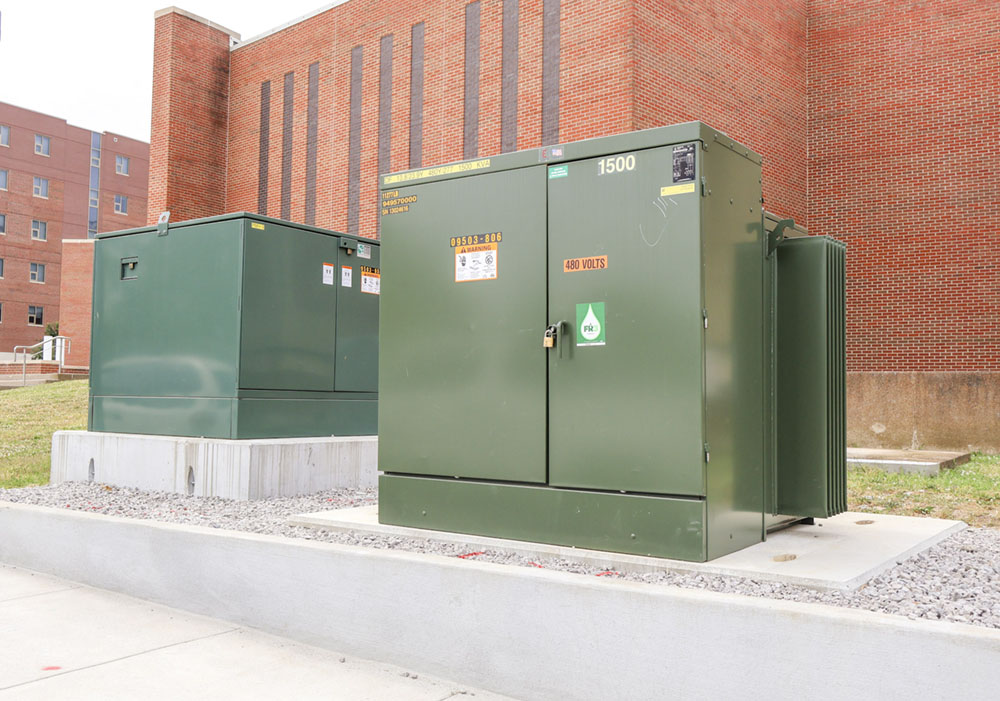
NES is taking over utility operations from TSU’s long-standing private substation, and that transition requires all-new infrastructure to support a campus that continues to grow. The TSU North Loop project is Phase 2 of that effort, putting in place the manholes, duct bank, and transformer pads that will carry the campus forward.
Key Features:
Several notable components include:
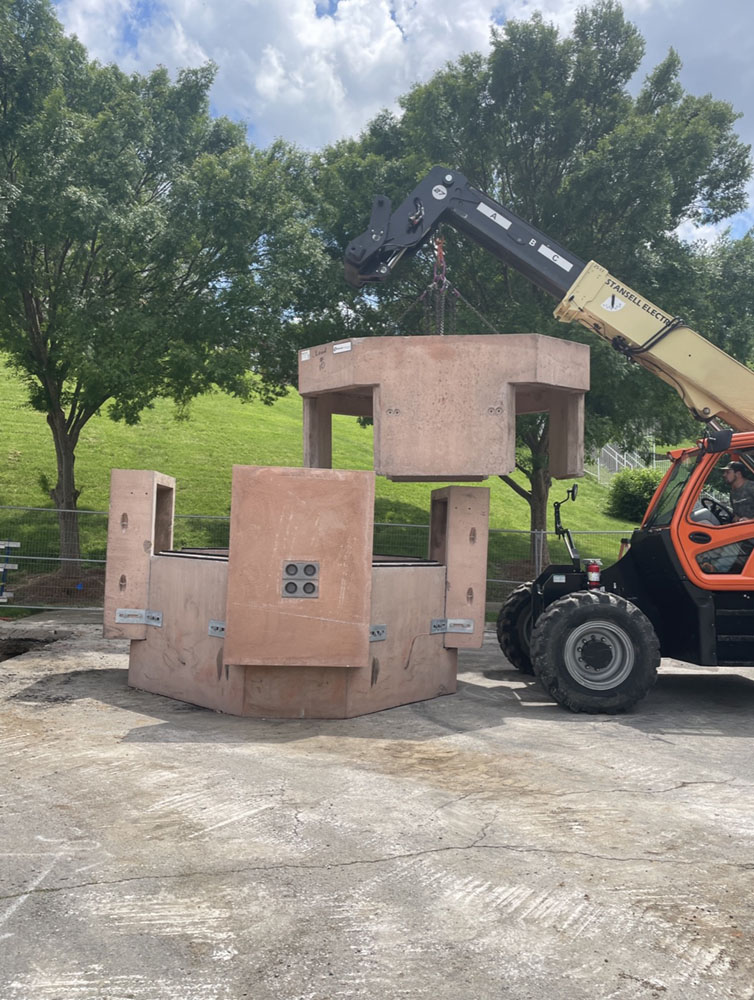
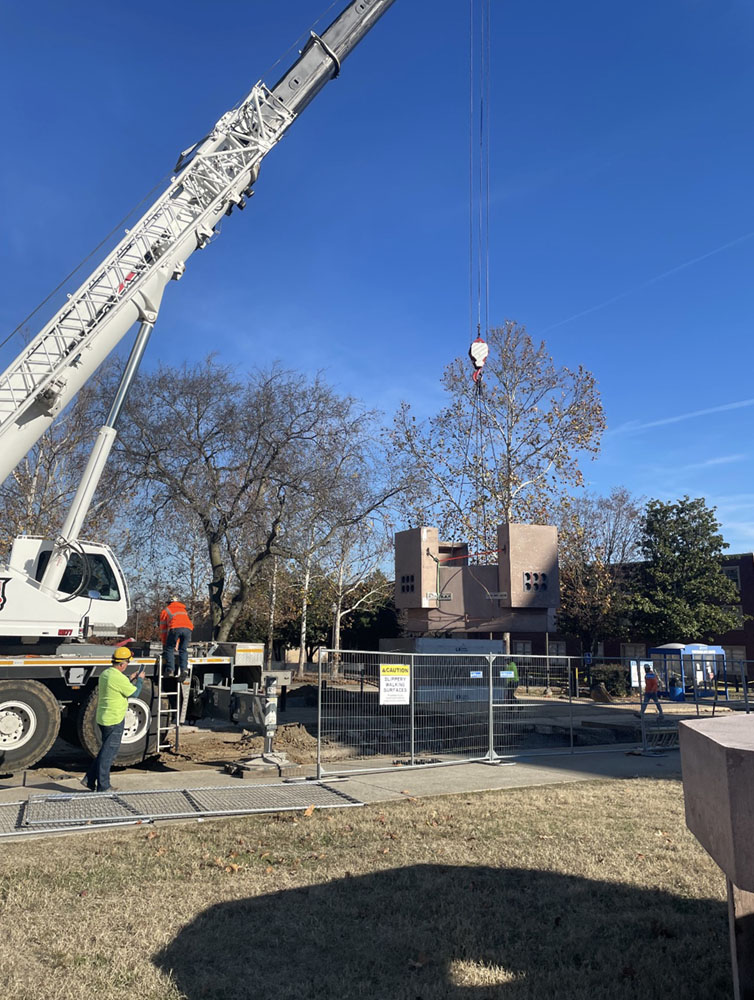
- 24 manholes installed across the north side of campus upon completion
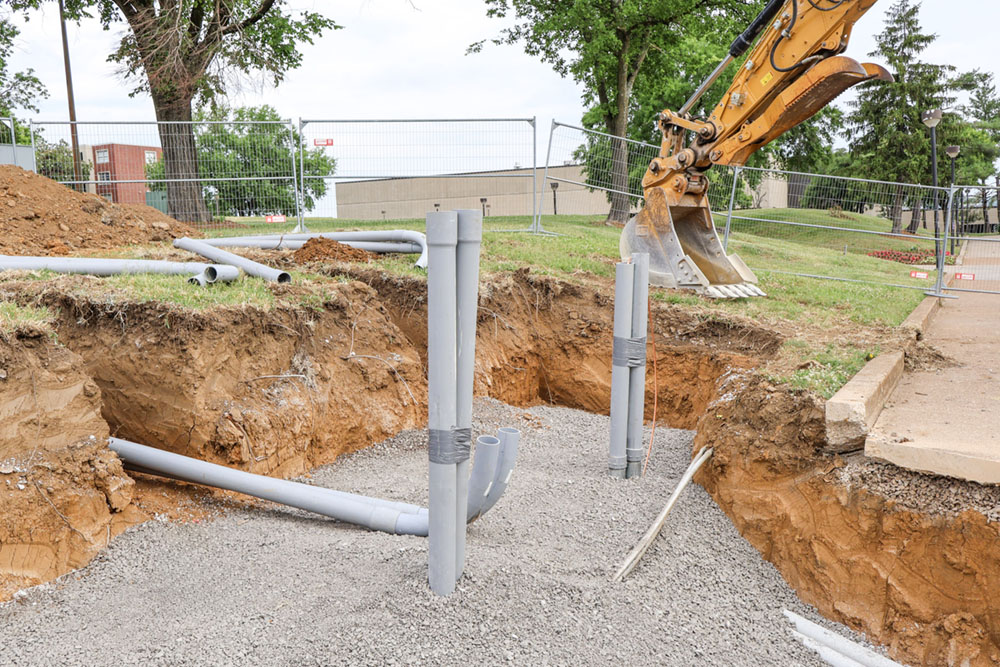
- Several miles of duct bank runs connecting the new utility network
- Transformer pads to support NES infrastructure as it comes online
- Full transition from TSU’s aging private substation to NES utility service 33-phase material management system for precise, on-demand delivery
Challenges
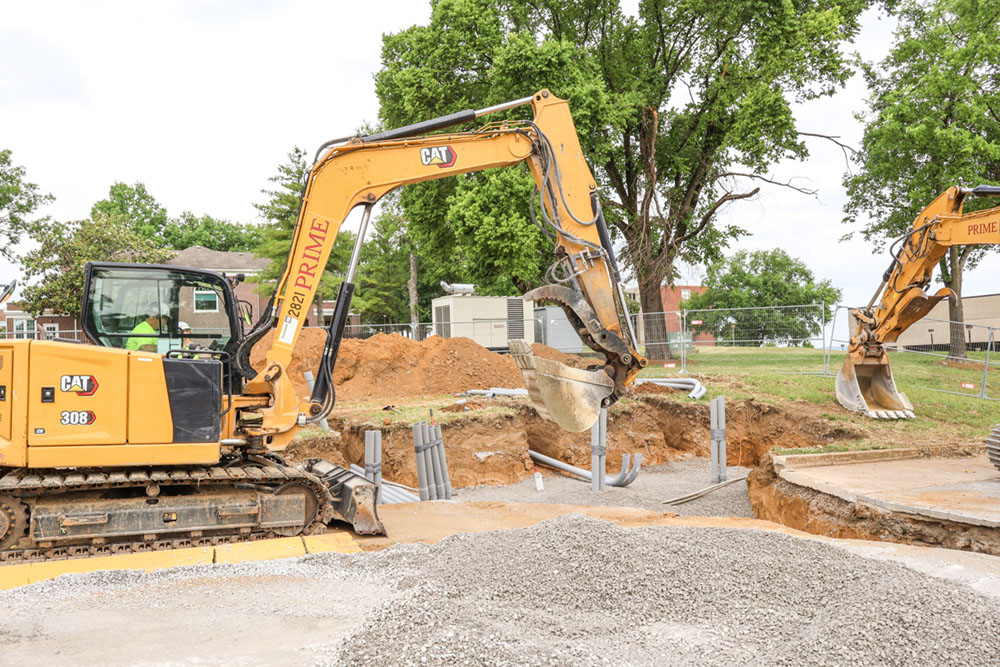
The entire TSU campus sits on rock. That single fact defined the pace and approach of this project from day one.
Excavating for the duct bank runs and manholes required constant adaptation. Where the crew expected soil, they found rock. Where they found minimal rock, they moved fast to recover time in the schedule. Progress has been measured not just in feet of conduit, but in what it took to get there.
Solutions
Before a single shovel hit the ground, the team sat down with the full drawing set and mapped the entire project into 33 phases. Every manhole, every conduit run, every transformer pad was accounted for by phase number.
That upfront work paid off on the logistics side. Rather than managing complex material orders throughout the project, the team could hand a vendor a phase number and get exactly what was needed delivered to the right part of the site. It kept the project organized and moving, even as the rock below kept pushing back.
Team and Execution
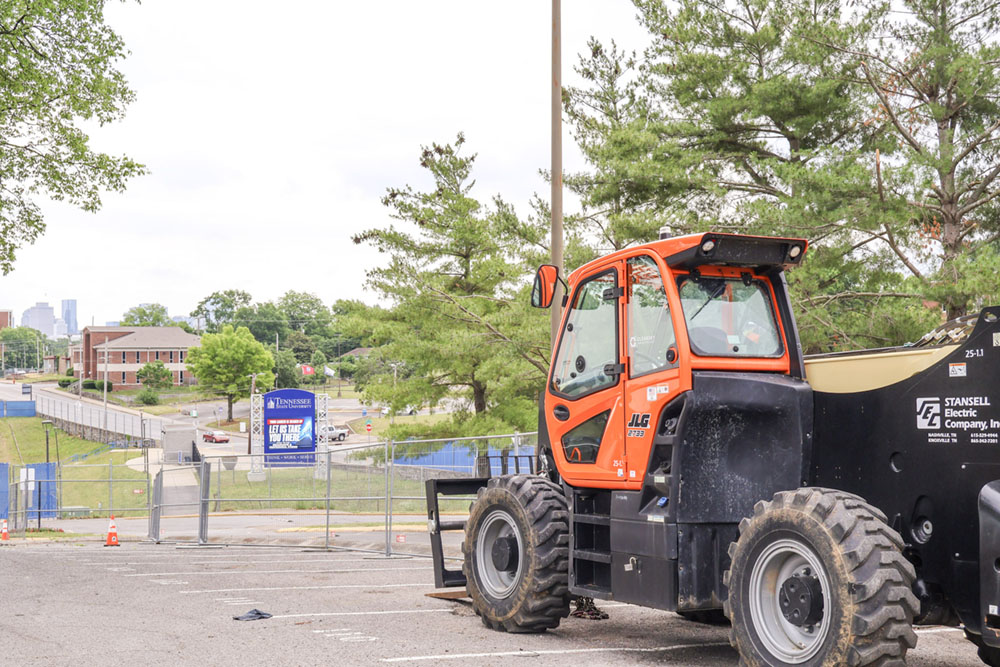
Six subcontractors have been working alongside Stansell on this project for over 14 months. The coordination required to keep that many crews moving in sequence, across a live university campus, while maintaining Injury Free standards for both workers and pedestrians, reflects the kind of execution Stansell brings to complex infrastructure work.
When this phase is complete, TSU will have a utility backbone built to last, and a campus that’s ready for what’s coming next.
Outcome:
When NES completes its takeover of TSU’s utility operations, the students, faculty, and staff who live and work on that campus every day will be the ones who benefit most. For decades, TSU has managed its own aging substation, and a growing campus has pushed against its limits. Unreliable power is not just an inconvenience on a university campus. It affects classrooms, labs, and residence halls, and the ability of students to focus on what they came there to do.
The duct bank, manholes, and transformer pads going in through this project will be underground and out of sight long before the first student notices anything different. But what they enable, stable, modern utility service managed by NES, is what makes everything else on campus possible. That is what this project is building toward.