Lenoir City Intelligent Transportation System Phase II
Connecting a community to the future of transportation.
Project at a Glance
- Location: Lenoir City, TN
- Client: City of Lenoir City
- Purpose: Modernize Lenoir City’s traffic signal network and prepare its corridors for the next generation of connected vehicle technology
About the Project
Traffic signals do more than control intersections. When they’re connected, coordinated, and built on the right technology, they become part of a system that moves people more safely and efficiently across an entire community.
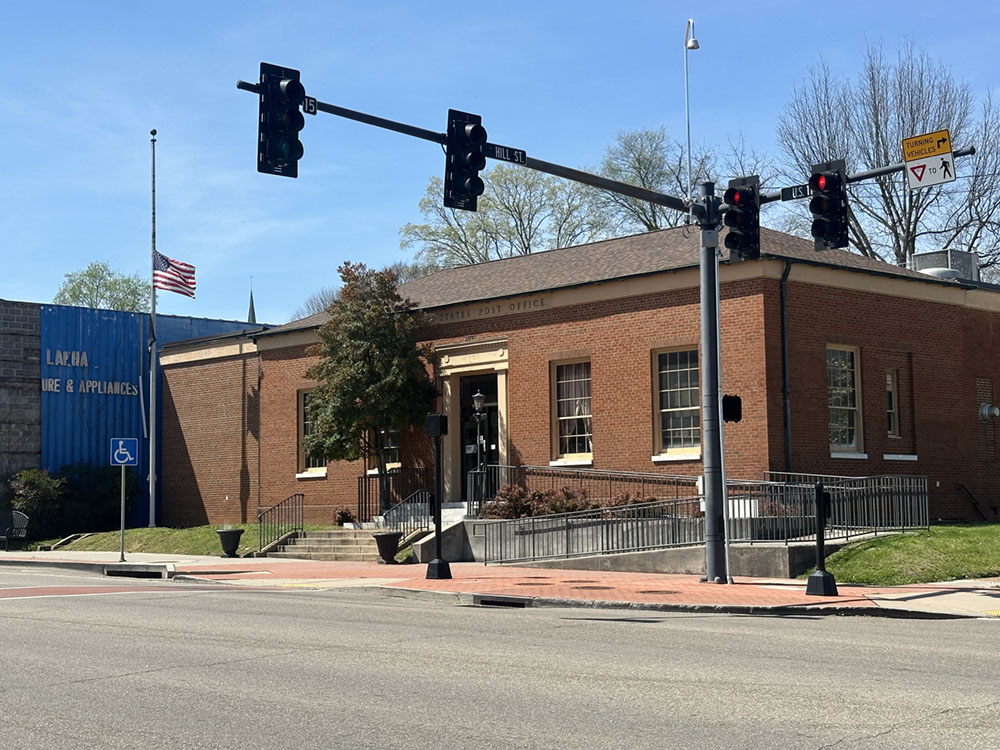
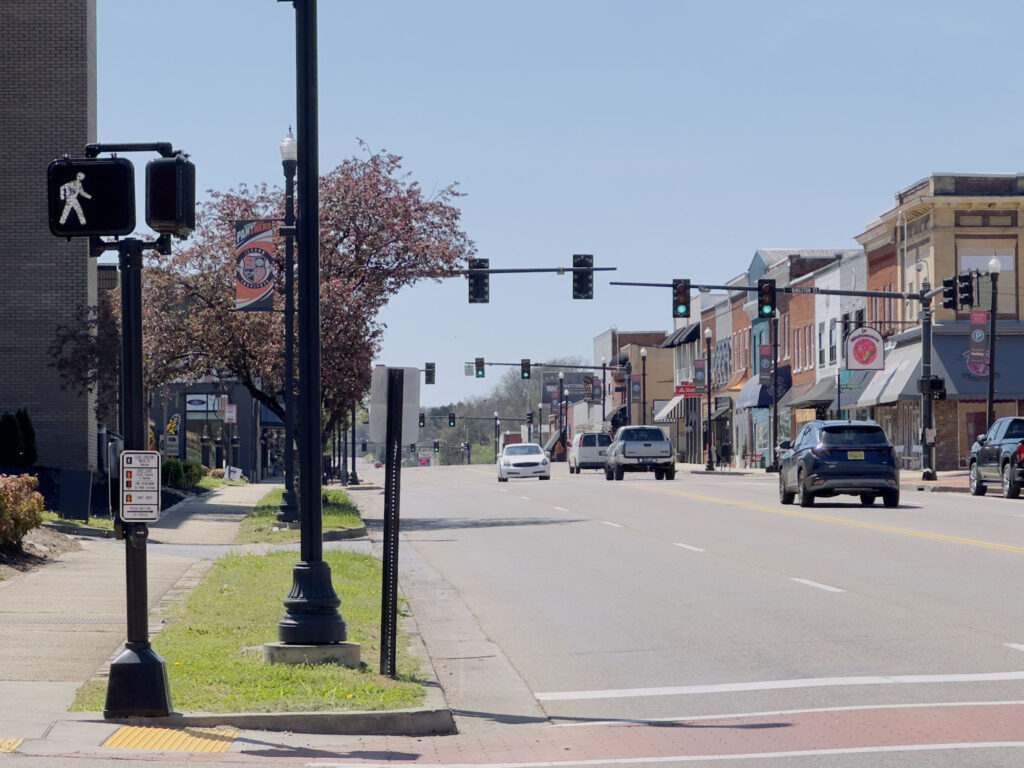
That’s what Phase II of the Lenoir City Intelligent Transportation System set out to build. Funded through the federal Congestion Mitigation and Air Quality Improvement (CMAQ) Program, the project upgraded detection systems, expanded network connectivity, and introduced Connected Vehicle infrastructure to two of the City’s most traveled corridors, Highway 321 and Highway 11 (Broadway).
This wasn’t a routine upgrade. It reflects a deliberate decision by the City of Lenoir City to modernize its transportation infrastructure and provide residents with improved traffic flow and a better way to travel. The result is a signal network that doesn’t just perform better today, it’s positioned to take advantage of Connected Vehicle technology as adoption grows among automakers, giving Lenoir City a head start on the infrastructure demands of the next decade.
Key Features:
Several notable components include:
- 22 Roadside Units (Connected Vehicle Gateways)
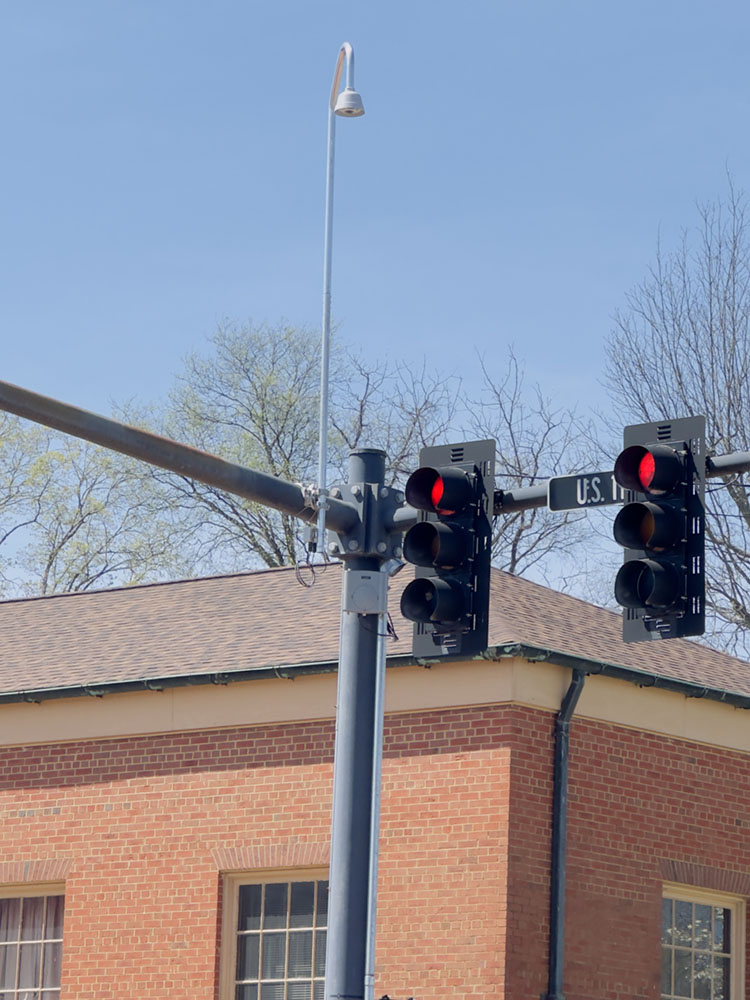
- 9 360-degree video detection systems
- 13 advance/stop bar radar detection systems
- 8 battery backup systems
- New fiber network connections supporting expanded system communication
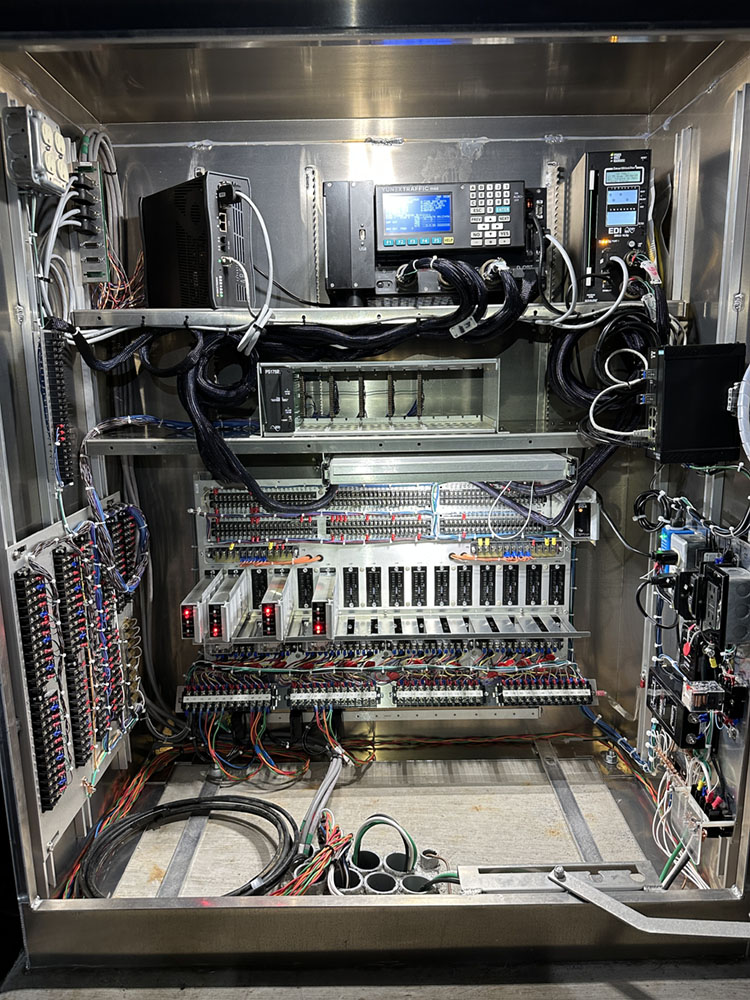
- New signal cabinets, controllers, and communications equipment at 3 existingremote intersections
- Traffic signal timing reviews and updates across the network
- Integration of remote intersections into Lenoir City's centralized traffic signal management system
- Upgraded power services at remote signal locations
Network Connectivity
Three previously disconnected intersections were brought onto the City’s centralized traffic management network for the first time, each receiving new cabinets, controllers, and communications infrastructure supported by new fiber network connections. Battery backup systems were added at critical locations to keep signals operational when power is interrupted, a straightforward upgrade with a meaningful impact on reliability during outages and severe weather.
Connected Vehicle Readiness
The deployment of Roadside Units along the Highway 321 and Highway 11 corridors was the most forward-looking element of the project. These gateways enable vehicle-to-infrastructure communication, a technology that is becoming standard in newer vehicles and will allow the City to actively manage traffic in ways that aren’t yet possible with conventional signal systems. Lenoir City is now one of the few communities in the region with this infrastructure in place, and as Connected Vehicle adoption grows, the City will be ready.
Community Impact:
The Lenoir City ITS Phase II project delivers immediate improvements to how the City’s signal network operates while putting its most traveled corridors in a position to benefit from transportation technology that is still emerging.
- Smarter, more accurate detection through both video and radar systems, giving the City two distinct upgraded detection technologies at advance and stop bar locations
- Greater reliability through battery backup at high-traffic intersections
- A fully connected network with three additional intersections now integrated into centralized management
- Richer traffic data that allows for better analysis, timing adjustments, and long-term planning
- Connected Vehicle readiness along Highway 321 and Highway 11
Outcome:
Stansell Electric completed this project Injury Free, working 12 months without a recordable incident.
The technology installed through this project strengthens how Lenoir City manages traffic today and ensures the City is ready for what comes next.