Whites Creek WWTP: Upgrading Critical Systems to Improve Efficiency and Reliability
Project at a Glance
- Location: Nashville, TN
- Client: Metro Water Services
- Facility Type: Wastewater Treatment Plant
- Partner: Hazen and Sawyer (Engineer), Blakley Construction (GC)
About the Project
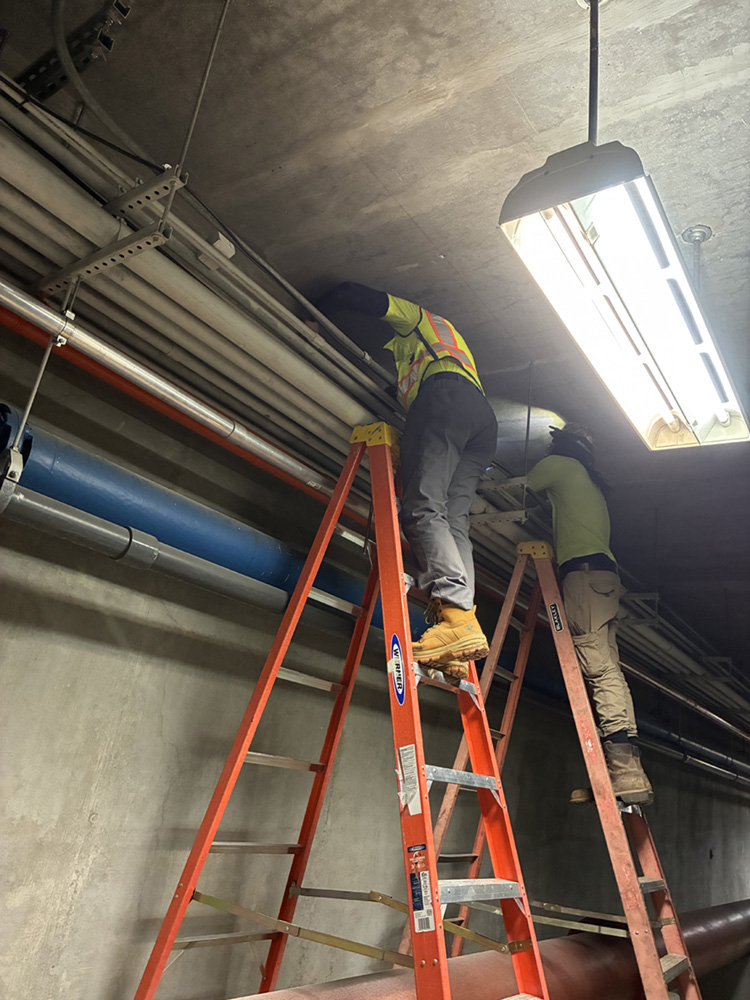
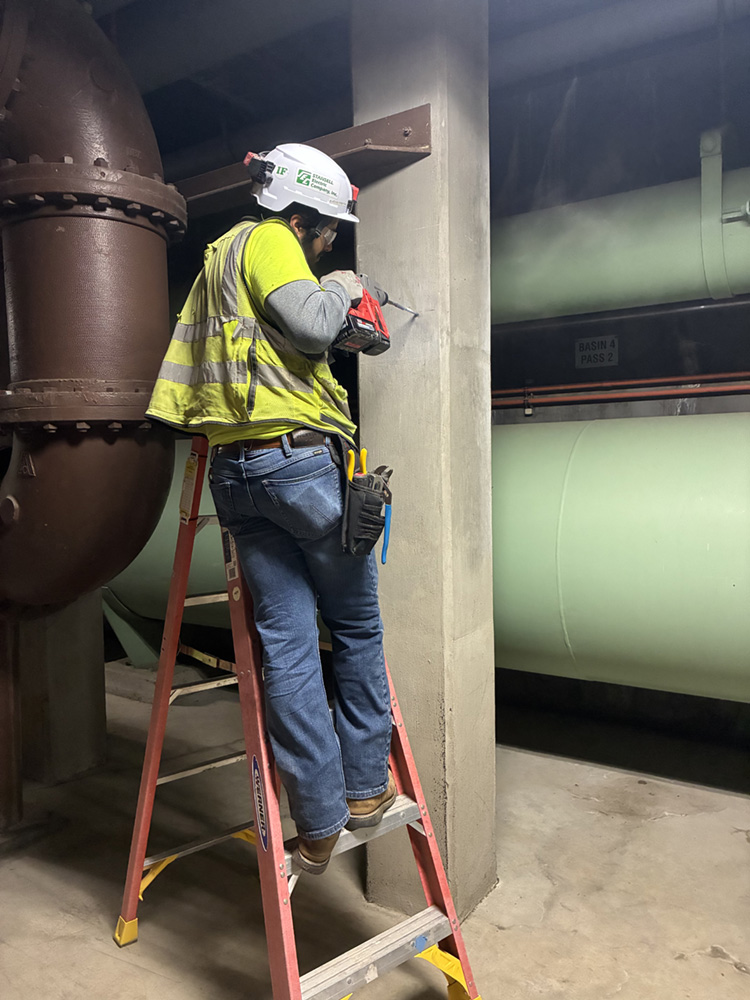
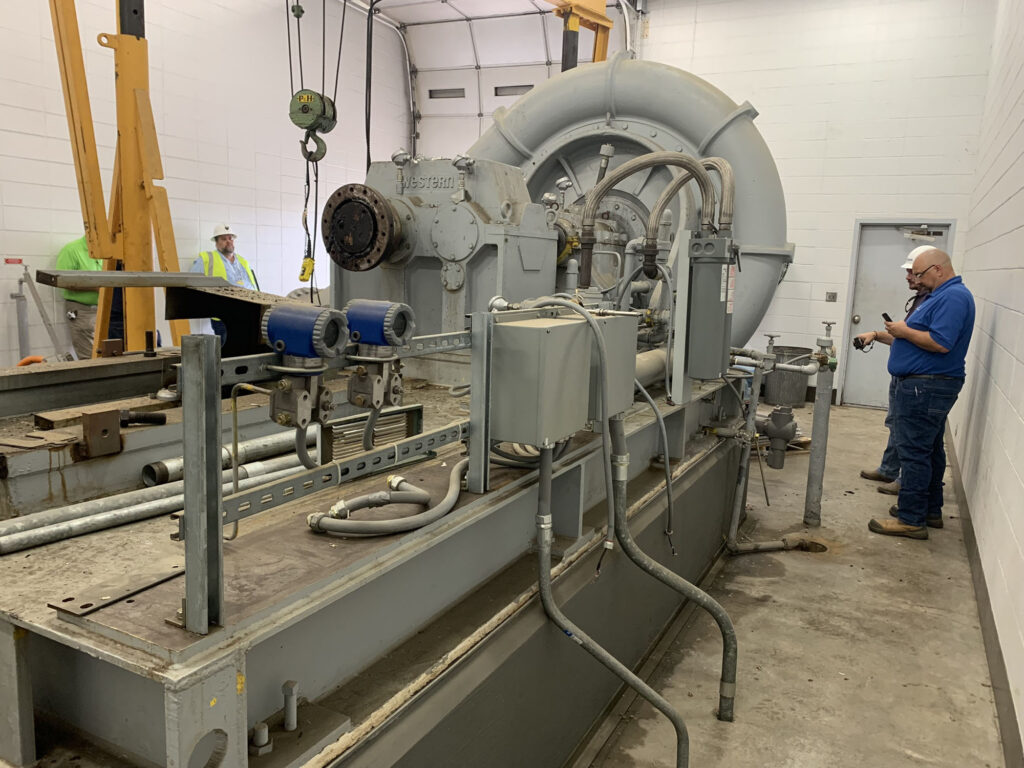
Stansell Electric is proud to support Metro Water Services in upgrading the Fine Bubble Aeration System at the Whites Creek Wastewater Treatment Plant. Our scope of work includes installing new distribution switchgear, MCC circuit breakers, air compressor panels, and all accompanying conduit, racks, wire, and disconnect switches.
This project plays a vital role in ensuring the Whites Creek facility operates safely and efficiently, strengthening Nashville’s ability to deliver reliable wastewater treatment as the city continues to grow.
What is a Fine Bubble Aeration System?
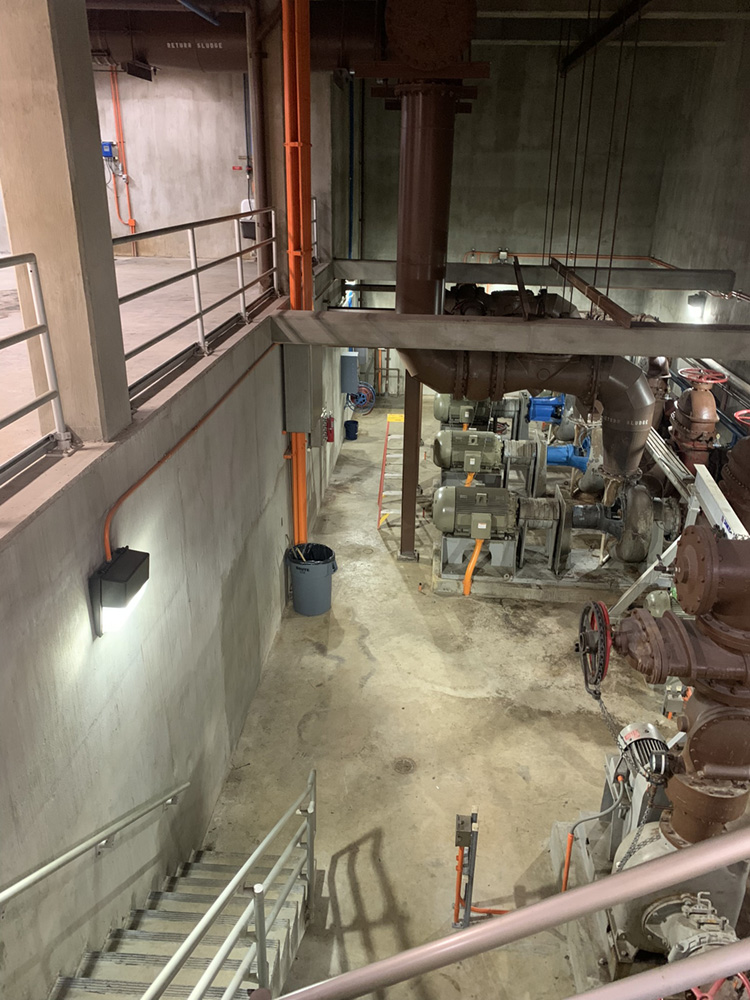
A fine bubble aeration system is a key part of the wastewater treatment process. It works by releasing tiny air bubbles into the water to supply oxygen to the microorganisms that break down organic matter. The smaller the bubbles, the more efficiently oxygen is transferred, helping the treatment process work faster and cleaner.
Upgrading this system helps Metro Water Services increase performance, reduce energy use, and extend the lifespan of the plant’s equipment, ultimately protecting public health and the environment.
Key Features:
- 1,115 hours worked Injury-Free
- Enhanced reliability and efficiency of plant operations
- Improved system safety and capacity to serve Nashville’s growing population
Challenges and Growth:
Every project brings its own set of obstacles, and the Whites Creek WWTP upgrade was no exception. Working within an active treatment facility required careful planning, precise coordination, and creative problem-solving to make sure the work was completed safely and efficiently.
Challenge:
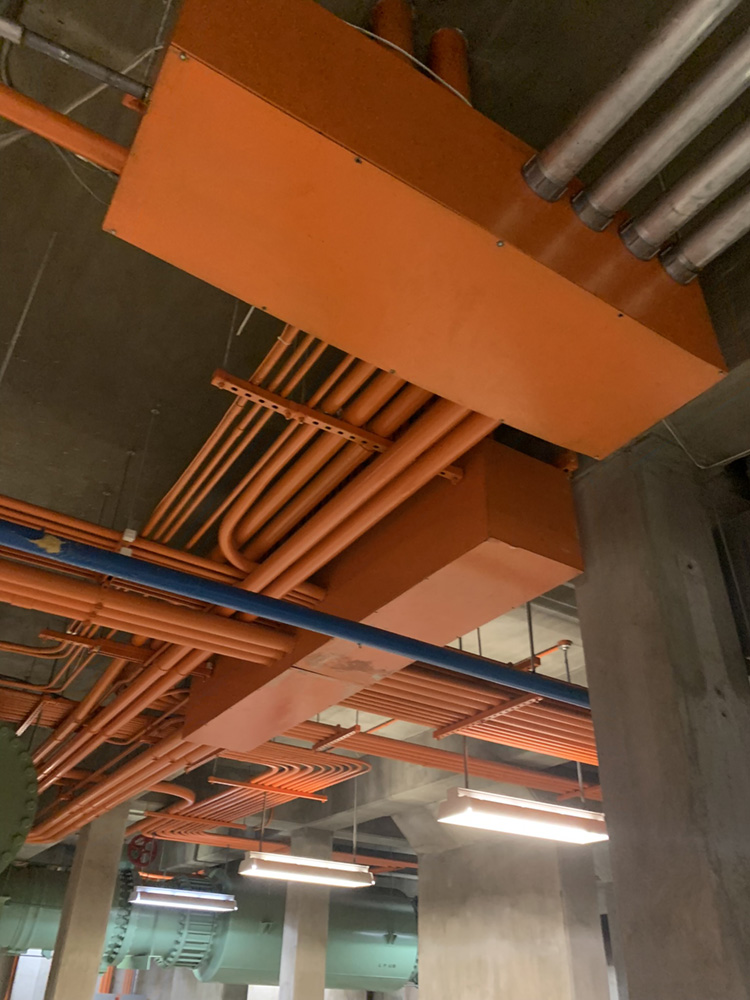
Extremely limited space to hang racks and conduit within the existing structure.
Our Approach:
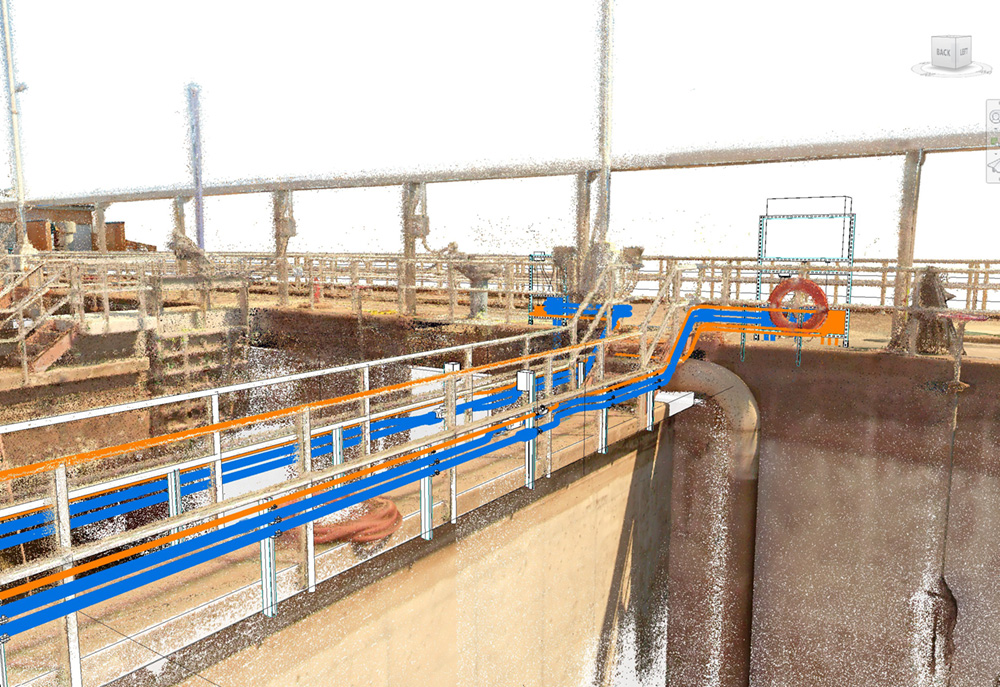
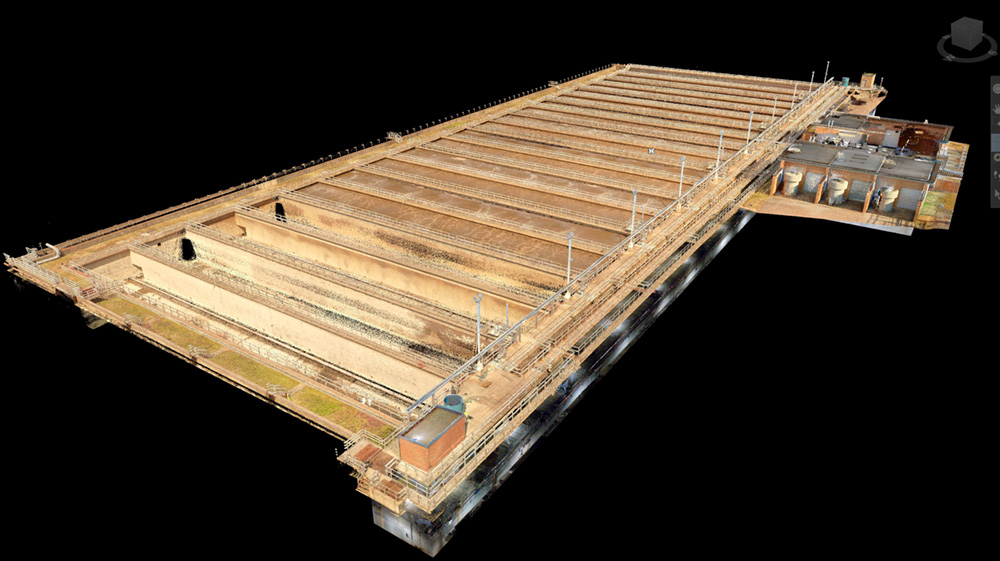
The project team used point cloud scanning and BIM modeling to precisely plan and route new piping and conduit within the confined area, ensuring accuracy, safety, and minimal disruption to ongoing plant operations.
VCF Coordination & Fabrication
Stansell’s Virtual Construction & Fabrication (VCF) team played a critical role in coordinating, modeling, and fabricating conduit runs on the Aeration Basin tanks and within the Pipe Gallery. Working closely with the project engineers and Metro Water’s maintenance staff, the team ensured every detail aligned with operational needs and long-term maintenance goals.
Because no design model existed for this existing facility, VCF used 3D scanning and BIM modeling to capture accurate site conditions and coordinate conduit routes and equipment locations. This digital approach eliminated guesswork, reduced rework, and allowed multiple routing options to be visualized and approved before any field installation began, saving both time and material.
The modeling process received overwhelmingly positive feedback from Metro Water and Hazen, who recognized the value of seeing routing, supports, and conduit heights in advance. The success of this approach has sparked interest in incorporating BIM into future project specifications to further streamline coordination and reduce field conflicts.
Community Impact:
Clean, reliable water is at the heart of a healthy community. By helping Metro Water Services modernize the Whites Creek facility, this project supports the infrastructure that keeps homes, schools, and businesses running safely every day.
Upgrades like these not only protect the environment but also ensure that Nashville’s future growth is backed by systems built to last, making this work vital for the city’s continued development and sustainability.
Outcome:
Work is actively underway at the Whites Creek Wastewater Treatment Plant, where the Stansell Electric team is completing critical upgrades to enhance the efficiency, reliability, and safety of the Fine Bubble Aeration System.
These improvements are helping Metro Water Services modernize its operations and strengthen Nashville’s wastewater infrastructure to meet the demands of a growing community. To date, the team has worked 1,115 hours injury-free, reflecting Stansell’s continued commitment to safety, precision, and excellence as progress continues on site.